In the advertising world, you will see a YouTube video with an ad running. There will be a prompt to skip the Ad in 5 seconds. A countdown will also be running. These ads are too annoying, and a rational person usually misses the point in a few seconds. The generation’s attention span is shortening, or the content is not compelling enough to capture a viewer’s interest. Nonetheless, in the 1990s, kids would wait to see their favorite ads come on TV during commercial breaks. Many iconic ’90s ads still entertain bored, anxious adults. These ads have a charm that evokes a smile. They encourage a moment of nostalgia.
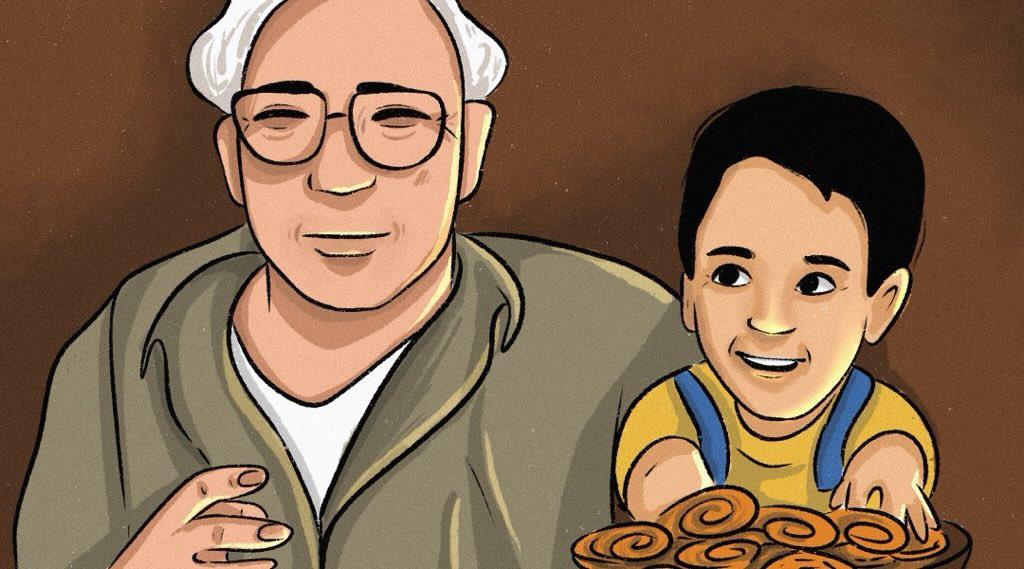
A schoolboy runs away from home angrily, as seen in the Jalebi ad. His granddad lures him back with some Jalebi. The iconic Nirma washing powder song and the Amul baby are tough to forget. Can anyone forget the Japanese guy saying “No problem, bike” for a Honda ad? And then there’s the Raymond “the complete man” theme. The Chetak scooter, Reynolds pen, and Nataraj pencil ads stood out in the 90s. These ads made the kids’ lives memorable. Many more heart-touching ads are still in the memory lane that 90s kids visit occasionally.
What makes these ads nostalgic? After all, these are simply advertisements for a product, just like today’s ads. These ads are a medium to revisit the past. They recall happy incidents linked to that ad. They also connect to the good, golden childhood. These are the true hallmarks of the attention-seeking capacity of 90s ads. The lovely ambiance, excellent plot, good music, and well-played characters genuinely encompass the essence of 90s ad-making. Marketing agencies and ad filmmakers did something right in the 1990s. New-age marketing students should learn something from the older, more experienced generations.
The innocence and sincerity in the characters’ expressions also reveal the depth of analysis. The actors and directors do this analysis. Do you remember the Pepsi ad where SRK acts a little cocky? He tries to get into the Indian cricket team dressing room. He wants to steal a Pepsi. Instead, he is greeted by Sachin. People don’t make ads like that anymore. Most ads today feature modern-day voyeurism, sexuality, and dark humor. These are the ingredients of ads running on television or the internet.
No social media account was running to promote a running product. A short video clip was used. Only DD National, an entertainment channel, showcased the original OGs of marketing and ad-making. Indeed, the ’90s ads are the OGs. Recently, a notable ad circulated somewhat: the CRED ad. In the ad, Rahul Dravid yells, calling himself the original “Gunda.” That ad-making agency conducted extensive research into the past and produced some remarkable work.
The 90s are gone. The environment, people, and systems have undergone significant changes. People’s tastes have changed a lot. Interest in ads has deepened. If someone wants to create an evergreen ad like the 90s’ Jalebi ad, a more profound meaning is needed. We have all the tools we need to start a trend. The most critical question is how long the trend will last. Suddenly, nostalgia for the 90s ads is captivating. Making a toast to those ads stands out in the chaos of extremely narcissistic number-one-brand ads.
 The Witty Stride
Leave a comment