In the morning rush of the Indian household, the mum runs frantically from the kitchen to the dining room. She moves back and forth continually. Meanwhile, one or two schoolchildren get dressed in their uniforms. Both search for a single thing in their school bags: the tiffin box. A fully packed box of goodies, sprinkled with a mother’s love and care, offering a sweet taste for palatial stimulation. The overly packed school bags can carry small boxes in various colors and designs. For ’90s kids, these small boxes were the most prized possessions. It’s the sweetest thing the kids expect from their mothers daily. Checking the list for a kindergarten-aged child is crucial. It includes reasons for playing with other kids. It helps them in leaving their mother’s side. 90s kids’ tiffin boxes are sweet bribes and epitomize a mother’s love.
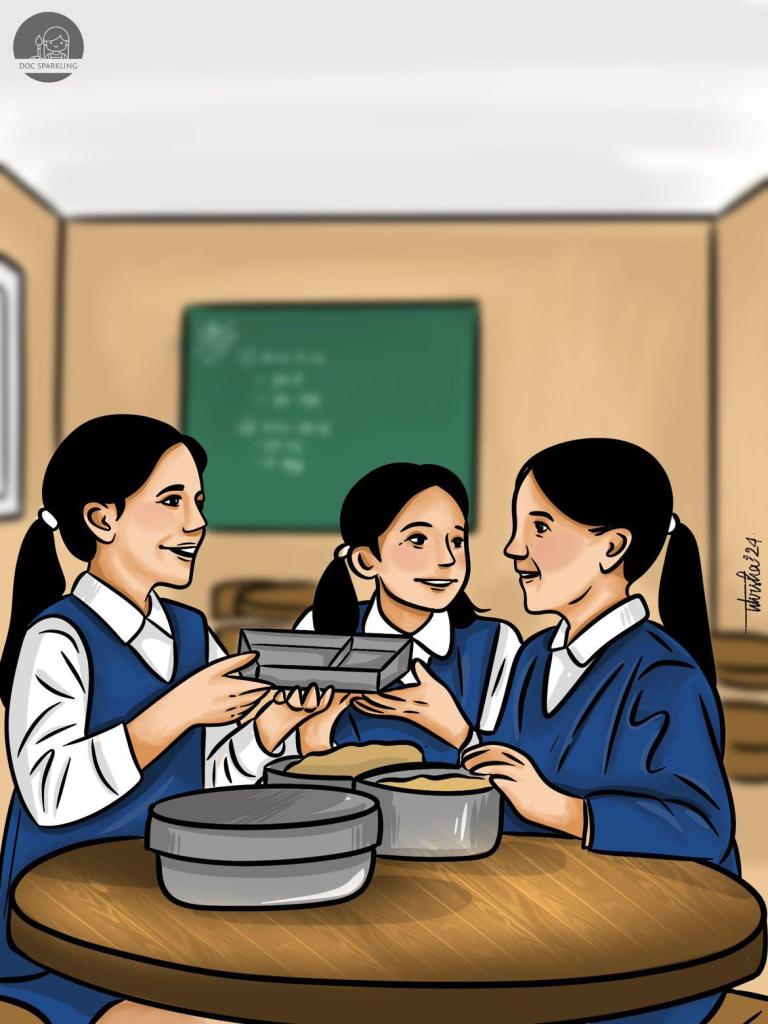
The Tiffin boxes used to be a benchmark for the perks of motherly love sometimes. If the child is well-behaved and does well in school, the mother happily fills the tiffin with their favorite food. It can be traditional food like regular roti and sabzi, sweet dishes, savory items, or chocolates and chips. Many kids also prefer Chinese or Indian fast food. These tiffin boxes carry a lot of memories for the 90s kids. Even some quirky kids used tiffin boxes to hide objectionable or addictive things.
Sharing is caring. This proverb dates back to the 1990s. As kids, we used to share food with friends. We bonded over food as school kids. We shared each other’s home-cooked food and craved someone’s mum’s yummy paratha or noodles. We also prospered in community service and brotherhood. Food sharing gave the less fortunate among the ’90s kids fair treatment and respect from friends.
Still, a few discriminatory young people defined class by the content and size of the tiffin boxes. The tiffin box symbolizes the family’s wealth and social status. This elite class used to dine in close quarters and eat separately. Money, status, and class discrimination start very early in life—from kindergarten!
Many budding philosophers and deep thinkers also evolved from the school-time tiffin box carnival. For a few, keeping their distance from everyone and eating from the tiffin box alone was captivating. They ate at their own pace while observing their classmates’ shenanigans. Budding a lifelong friendship over a shared meal from a tiffin box was possible for ’90s kids. Discussing life or plans was the charm and essence of the whole thing. Sharing dreams or secrets among best buddies added to it. This was beyond the yummy food.
The corporate Potluck concept is a testimony to the long-forgotten 90s kids’ tiffin box concept. A group of grown-up 90s kids brings food from home. They share it with everyone at work or in the community. This is the essence of sharing tiffin boxes. Does it feel the same? Maybe not. But at least it’s a sober effort to develop something more entertaining, fun, and refreshing. The tiffin boxes of ’90s kids can serve as an analogy to the film The Lunchbox. A few notes and texts can be sent through the tiffin boxes during the school days. Overall, ’90s kids’ tiffin boxes served goodies and lifelong memories. In a true sense, it’s an emotion.
 The Witty Stride
Leave a comment