– Aparna Chatterjee
Mystics worldwide have thrived on the concept of duality. Parties on opposite sides of the seesaw influenced the human mind’s equilibrium. The balance between them ensured social stability. India, for one, has come far in embracing these concepts within its culture and religion more than most other countries. The traditions and ancient mythology may not exhibit much synchronicity. However, the importance of Shakti has never been undermined.
Life- Energy, or Prana, has its dual forms- Shakti and Shiva. Where Shakti is the energy, and Shiva is the conscience.
The names may differ from place to place. In China, it is known as Yin-Yang. In East Asia, it is referred to as Hun-Po. In Egypt, it is known as Ka–Ba. In ancient Greece, it was associated with the concepts of the Olympic and Chthonic. It meant that both feminine and masculine characteristics should be balanced. Some interpretations viewed duality as consisting of good and evil. However, the prevailing idea is that good and evil are necessary to maintain balance.
Feminine and Masculine Energy-
Shakti—the Feminine aspect—has long been associated with chaos, emotion, freedom, and maternal traits. Hence, most ancient religions associate a female deity with love and war. A mother will care for her children day and night. She will defend them if any danger arises. Similarly, we have Devi Parvati. She is a docile manifestation of Shakti. She is venerated for protecting children and pregnant women. There is also Devi Kaali, a warrior manifestation of Shakti, known for slaying the demon Raktbeej. In ancient Greek mythology, we find goddesses with similar natures. Athena is the goddess of war. Aphrodite is the goddess of love and fertility. The same goes for ancient Mesopotamian mythology. Inanna was the first goddess of love and war in Sumerian mythology.
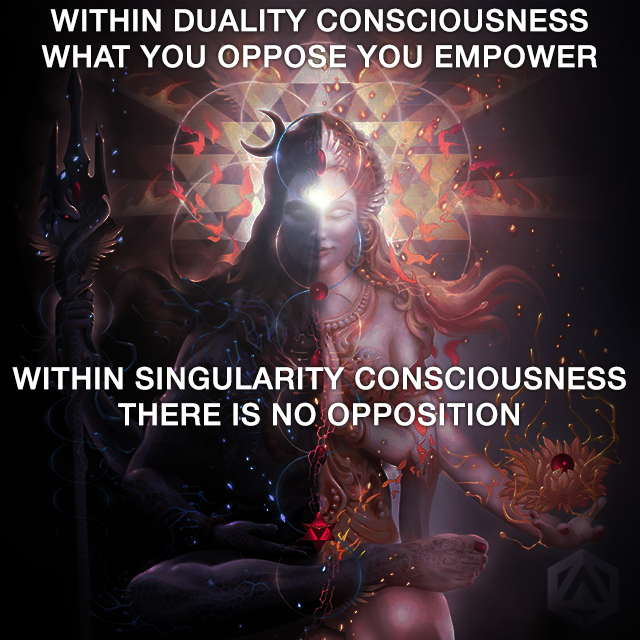
Shiva- the Masculine aspect has been associated with order, logic, clarity, and paternal traits. In Sanatana Dharma, we have the holy trinity for maintaining law & order and conserving life. We have Lord Brahma, the creator; Lord Vishnu, the protector; and Lord Shiva, the destroyer. In every yug, a new avatar of Shiva and Vishnu came to protect, control, and destroy evil. An ancient Greek altar to Lord Shiva is also called the ‘Dionysus,’ or the ‘God of the Orient.’ People also draw parallels between Poseidon and Lord Shiva.
While we have concrete reasons to worship Shakti, Masculine counterparts are honored for a range of purposes, from ensuring abundance to removing obstacles. Lord Ganesha, for instance, is called ‘Vighnaharta,’ which means the one who curbs all your problems. We can also see similar attributes associated with Lord Shiva and the ancient Egyptian gods Atum and Seth. These gods were worshiped for their ability to fulfill worldly needs. They were linked to concepts such as justice and the destruction of evil. Similar ideas were also associated with them.
The concept of duality is the only element common to all ancient religions. The names of deities may vary across religions and cultures. Different demigods and manifestations are available to choose from and pray to according to one’s needs and preferences. In simple terms, Shiva is a portal, and Shakti is the fuel one needs to get there.
Concept of Chakras–
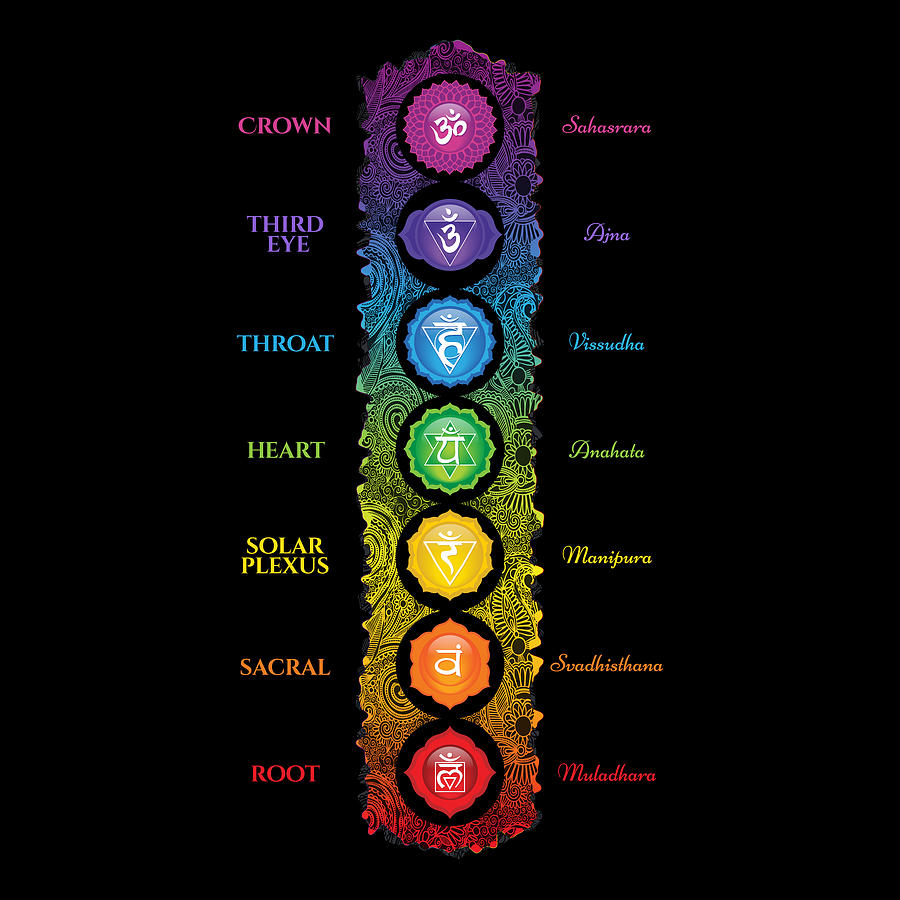
Yoga has been developed to prepare the body for use and enhance Shakti in a specific way. Chakras, or nodal points, have been identified as a framework for exploring them. There are 114 chakras. Seven of these chakras are aligned in the spine. This alignment is the most prominent and relatively easy to work with. Each chakra is associated with specific emotions, colors, and mantras that can facilitate the passage of Energy (shakti) through it. If you’re feeling low in confidence, working on the Solar Plexus chakra, located near your navel, can be beneficial. This chakra can help if you feel guilty for not standing up for yourself. It is associated with the color yellow and the sound “RM”. Phrases like ‘Chakra is blocked’ and ‘Energy blocks’ primarily mean that Shakti’s energy flow is inefficient.
Mysticism worldwide has explored these areas in different ways. While some were called witchcraft, some established well-operated cults that helped others explore the inner Energy we all have.
Fasting-

Fasting has been a central practice in nearly every major religion we are familiar with. People fast on a specific auspicious day or a day of the week; some fast for several consecutive days. Science has now found multiple benefits of fasting. Intermittent fasting, water fasting, and dry fasting are famous worldwide. Fasting has been shown to improve health, cognitive clarity, and neurogenesis. The Energy used to digest large amounts of food in the body is used to heal ailments. According to the mystics, fasting helps us have better antennas to receive this Energy. It keeps the vessel (body) clean, enabling it to store and drive its flow. Ancient Yogic traditions promote fasting and the consumption of more energy-rich foods, such as fruits, vegetables, and leafy greens.
Universal Consciousness-
Universal consciousness is the idea that we are part of the same entity, energy, or consciousness we worship. It parallels Newton’s first law of motion, which states that Energy cannot be created or destroyed. Energy changes form. The concept of Energy has been explored in various forms. It includes its dual types and its balance. Its role within universal Energy is also studied. Spirituality is the salient fabric of any religion. However, spirituality is mutually exclusive from any religion. It is beyond the physical aspects of a human being. Hence, it is seen as something sacred and omnipresent.
Some spiritual practices can bring peace and clarity to individuals who are too engrossed in the mundane world. The purpose is not to outdo someone else. It is not even to gain something of a higher purpose. The aim is to be your true self and enrich what you are. Being this far ahead in life, we are sure of one thing. We do not merely exist to survive. We also do not exist just to die. What is the use of the gift of life if one can’t understand its true nature?
 The Witty Stride
Leave a comment