– Satyakam Ray
Leading a non-happening, mundane corporate life can be tiresome. Stuck in exams or bored by usual household events, everybody occasionally needs the quintessential road trip. Not only the body but the soul also needs rest and rejuvenation. An unplanned road trip is necessary for many reasons. It might be to pursue a hedonistic lifestyle. It could also be to reawaken one’s curiosity and explore life. A hodophile is someone who loves traveling by road. The hodophile is generally curiosity-driven and makes life exciting and worth living through constant travel.
Nitty-gritty of Hodophile:
The instinct to globe-trot or master storytelling started with the advent of the hodophile. According to the famous author Paulo Coelho, whether a solo or group road trip requires a certain level of adventure-seeking. If you think adventure is dangerous, try routine; it’s lethal. That is very apt, considering how the soul is slowly burned in pursuit of a regular 9-to-5 money-making job.
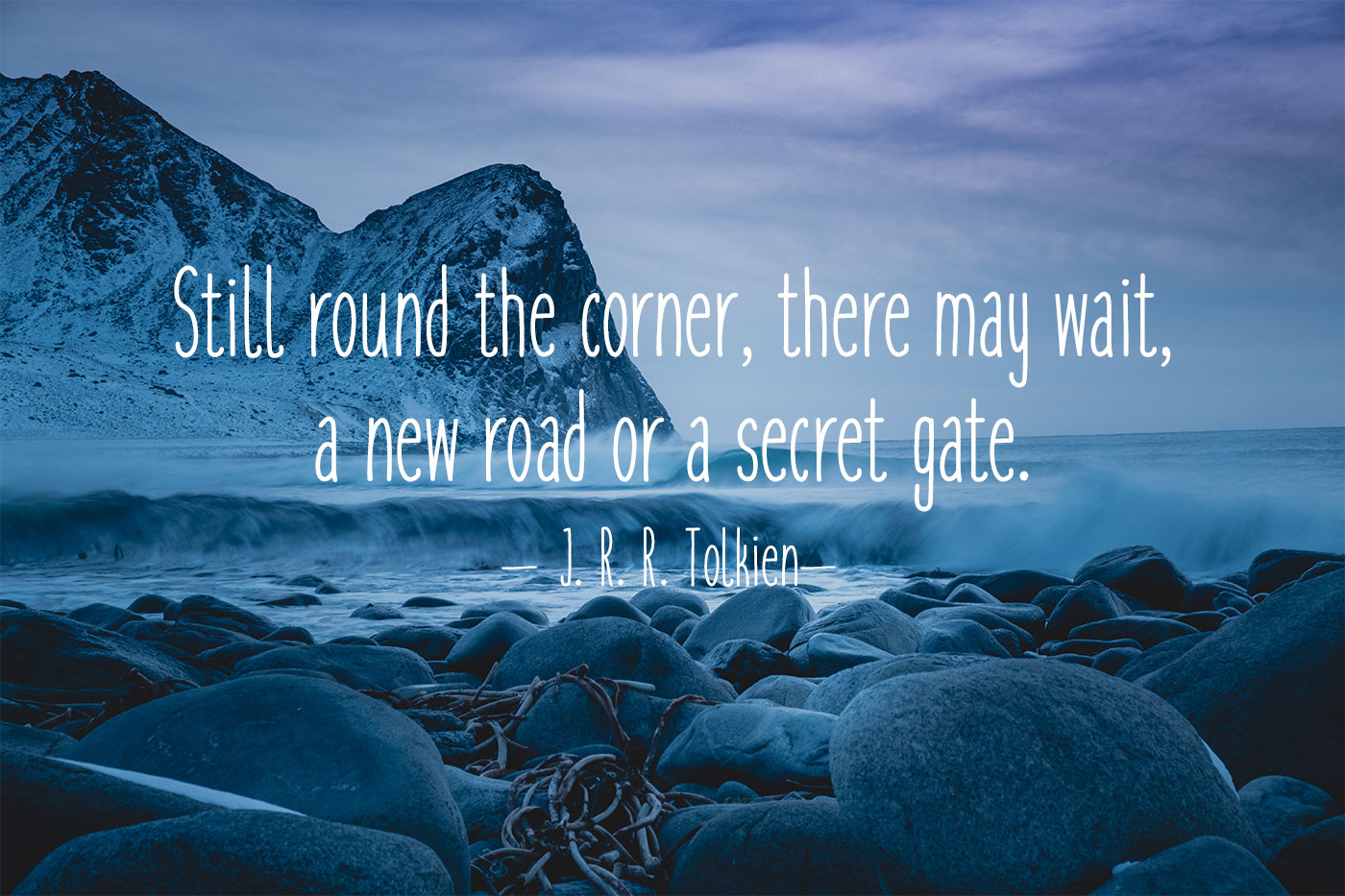
Traveler and legendary historian Ibn Battuta agrees with the argument when he says, “Traveling leaves you speechless, then turns you into a storyteller.”
The countryside road trip depicts the warmth of friendly people, the natural scenery, the general lifestyle of rural people, and many unforgettable encounters with strangers, making the traveler’s subconscious more receptive to new ideas and filling up the heart with gratitude, love, and inspiration.
Unsurprisingly, many Bollywood and Hollywood movies are about road trips. Zindagi Na Milegi Dobara, a road trip shot in Spain, subtly captures a hodophile’s true essence.
Being homesick for an unknown place is a feeling that has never been described by the German word “fernweh.” Similarly, the Swedish term Resfeber refers to a traveler’s restlessness before the journey begins. Whether the traveler is feeling fernweh or Resfeber, he’s bitten by the travel bug or pangs of hodophile.
The hodophile often involves unplanned, hasty choices of destination or itinerary. They choose the mode of transport, such as a bike or a car. They also arrange the necessary travel items, such as clothing and food. Road trips with friends make the experience memorable. Roadside tea stalls, highway dhabas, and small makeshift hotels allure weary, exhausted travelers like the light attracts the moths. Here, travelers take a refreshing break, energizing their enthusiasm to explore the road ahead. The hodophile often takes an unknown route and departs from the tourist itinerary. Most of the time, they see exciting flora and fauna in the jungle. They also meet unassuming people in remote locations. One should be careful also, as it exposes the hodophile to the uncertainty of getting harmed.
Hodophile- In India and abroad?
In developed countries, hodophiles play a significant role in citizens’ lifestyles. Weekends are spent exploring the vagaries of road trips around natural ecosystems or famous trails. In the US, in the year 2019, traveler spending totaled $1.1 trillion: $278.9 billion for food services, $242.3 billion for lodging, $210.8 billion for public transportation, $169.7B for auto transportation, $117.8B for recreation, and $107.3B for retail- according to the US Travel Association. Most households look forward to spending quality time with family or friends during these road trips.
Demographically, baby boomers (aged 55 and above) spend more on such road trips than millennials or Gen Z. Their eagerness to live free from constraints often makes them more carefree in the US.
In India, road trips are often limited to young people, college students, or carefree corporate executives. Still, some seniors are coming forth to relive the charm of their youth. The trio — Robin Nakai, his wife Amrita, and their friend Usha — are in their 60s. They traveled approximately 4,500 kilometers by road trip during the pandemic’s peak in March 2021. Quite exciting. Ridley Scott’s classic Thelma & Louise has a great line. The line is: “Sometimes all you need is a great friend and a gas tank.” The trio took the line very seriously. Hodophile is not limited to the young alone. This is illustrated in the Tata-Mahindra ad: “We live young, we live free.” These are catchy lines that convey the message to stay young at heart.
Helping local employment?
Solo travel or closed-group rides boost tourism in rural areas. These eccentric travelers discover even earlier unknown trails. They have to break the rules to follow their hearts. Small hotels, beverage shops, and general stores emerge in small, remote locations. Local people get employment as transport service providers, lodge owners, and tourist guides. Local community guides or taxi drivers often join visitors to scenic places in the Himalayas. Traveling bug-bitten wanderlusts are privileged to seek help from these nicest and most humble people. Many adventure-seeking platforms have emerged online, offering services such as hiking, trekking, and night safaris for adrenaline seekers. But the fun of being a hodophile surpasses the excitement of all other activities, many argue.
Is the Female hodophile safe?
Female solo travelers often receive mixed reactions from family, friends, and strangers at the start of their journey. But in the end, the journey matters more than the destination. Safety should be prioritized. A freelance travel writer or documentary maker can still pursue a hodophile lifestyle for a living. Award-winning blogger Shivya Nath exemplifies a new, trending career choice. Indian households should learn the importance of road trips and take them occasionally.
Conclusion:
The essence of a hedonist lies in seeking happiness and solitude amid today’s chaos. Driving along Marine Drive in Mumbai is an example of this. Spotting tiger trails in Odisha is also inspired by a hodophile. Even moving around aimlessly with friends embodies this spirit. Once in a while, let loose and be a wanderlust. What else can go wrong, or who is going to judge you? Pack your bags, keep the tank full, and hit the road!
 The Witty Stride
Leave a comment